
Reconciliation
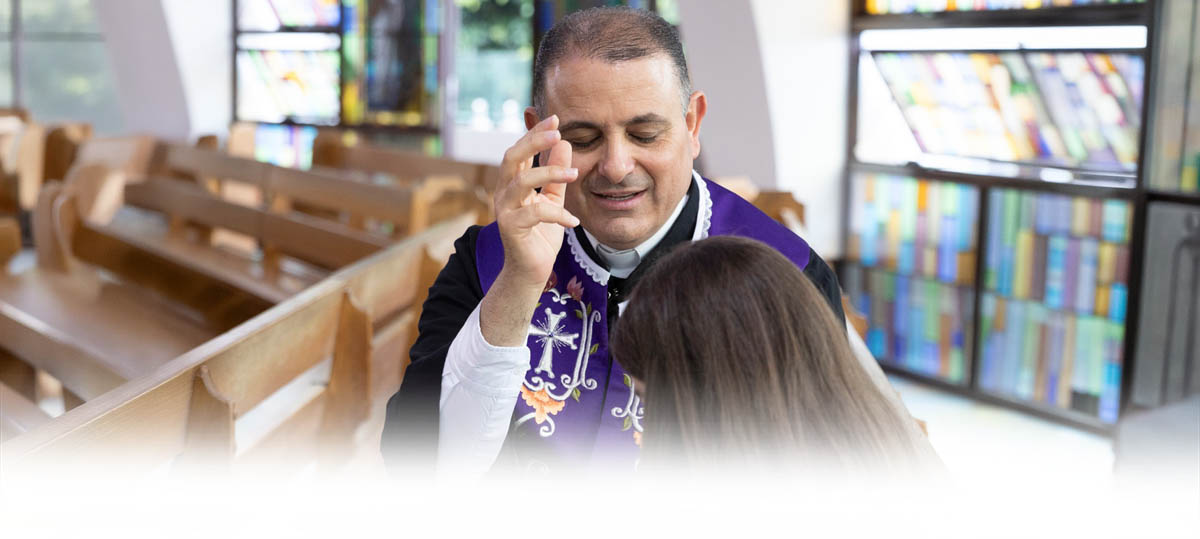
We participate in Christ’s forgiveness of sins through this Mystery; in fact, it is Christ Himself who forgives us our sins, working through the instrumentality of the priest. In his Gospel, St John records that, after His death, the Lord appeared to his Apostles, and:
Jesus said to them … “Peace be with you. As the Father has sent me, even so I am sending you.” And when he had said this, he breathed on them and said to them, “Receive the Holy Spirit. If you forgive the sins of any, they are forgiven them; if you withhold forgiveness from any, it is withheld.” (John 20)
This power was passed by the Apostles to the bishops and priests whom they had ordained, and through them, comes to us. Since only God Almighty can forgive sins, then every act of absolution is an act of God. This is a direct participation in His action, and is truly an imitation of the Apostles and the many who received that forgiveness from the Lord during His stay on earth.
We go almost always to confession (the Sacrament of Reconciliation) individually. There is another Rite of Confession (or Reconciliation) which is for celebration in a group. At this stage, it has only been approved for use on the Saturday of Light (the day before Easter Sunday), but it is expected that it shall be soon approved for more frequent use. But even that individual confession, when one priest hears the confession of one person, exists within a Church context.
As we saw with Baptism, in the Maronite Church, as in all the Eastern Churches, the receipt of the mercy of God is a resurrection of the dead soul, it is the creation of a new life, and not only the rehabilitation of someone who had been guilty of sin.
Another aspect of the Maronite heritage is that the teachers of the Church were not very concerned with the distinction between mortal and venial sin, so much as the difference between sin and virtue. It is not that we underplay mortal sin, but more that we stress the great danger of venial sin, so that no sin is something to lightly dismissed. Sin is always something to treat as a deadly poison, because even venial sin can lead to mortal sin. We become accustomed to our faults, but attending the Mystery of Confession helps us to (a) keep fresh both our sense that we are sinners and our desire to be virtuous; and (b) it prevents our coming to treat sin as something light.
When I feel the need, when my conscience tells me it is right, I go to the priest for confession. It is required that we do so once a year at least, during the Season of Easter. However, it is good to do this regularly. One might suggest once a month, or once each two weeks in order to keep the fire of contrition alive in me. But it is a question of judgment, there is no right or wrong answer for all cases.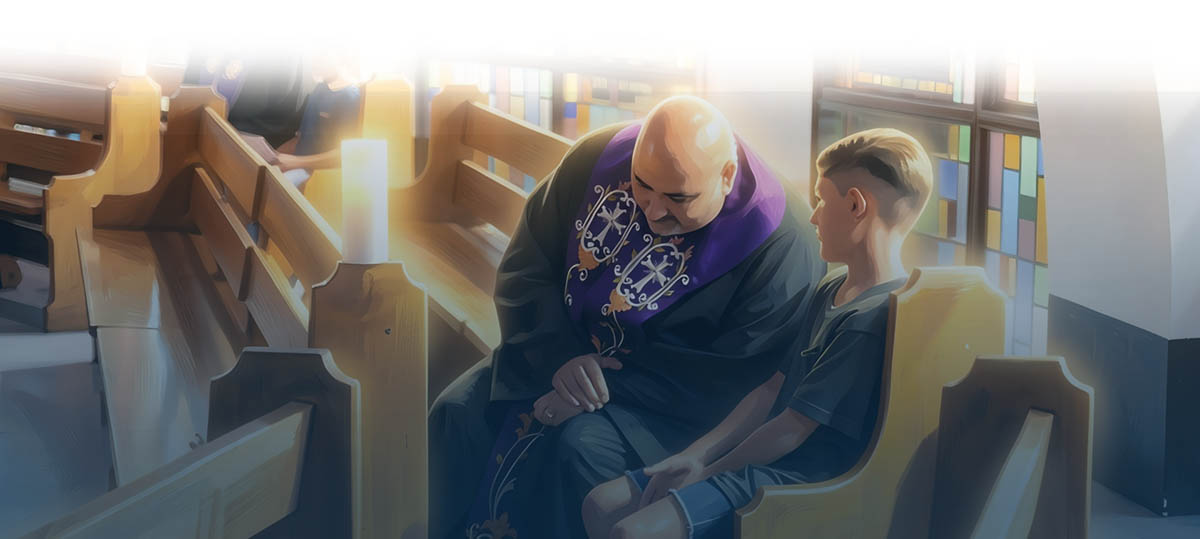
Copyright © 2013-2025 Our Lady of Lebanon Co-Cathedral